5 Strategies for Self-Improvement When You’ve Been Diagnosed With a Bipolar Disorder

5 Strategies for Self-Improvement When You’ve Been Diagnosed With a Bipolar Disorder by Julia Mitchell

After receiving a bipolar diagnosis, you may be wondering what the best course of action is in order to manage the condition while tending to your daily obligations. How will you cope with your symptoms and lead a fulfilling life? Here are some strategies you should discuss with your healthcare professional:     

Stick to Your Treatment Plan

Once you’ve been diagnosed as bipolar, your physician will prescribe medication and put you on a treatment plan. But since there are no one-size-fits-all drugs when it comes to treating this condition, you’ll have to go through a bit of a trial-and-error period before you get on the right dosage. Through it all, try to be patient and persistent. Do not get discouraged, and stick with your treatment plan until you start seeing results. And don’t be afraid to voice your concerns to your doctor if you feel something isn’t working as it should.

Focus On Your Sleep

Lack of sleep and poor sleep quality can exacerbate symptoms for people with bipolar disorder. So strive to stick to a bedtime routine that will promote a restful night. Avoid heavy foods, caffeine, and alcohol too close to bedtime. Try to go to bed at the same time each night; having a relaxing ritual like a soothing bath, a cup of chamomile tea, reading, or meditating can help get you into a more relaxed state. Turn off your screens and smartphone at least 30 minutes before you lie down for the night. And keep the temperature at a comfortable level to help you stay asleep longer.    

Work on Your Career Plan

A fulfilling and rewarding career can help keep symptom activators and triggers at bay, and establishing healthy relationships with coworkers and colleagues who share the same passion will help you thrive at your job. If teaching younger generations is your calling, find an accredited online school with competitive rates and check this program that will lead to a bachelor’s education degree. Pursuing a degree online allows you to take classes when it’s most convenient for you and your family, so you can fit them into your busy life without feeling stressed out.  

Take Time for Self-Care

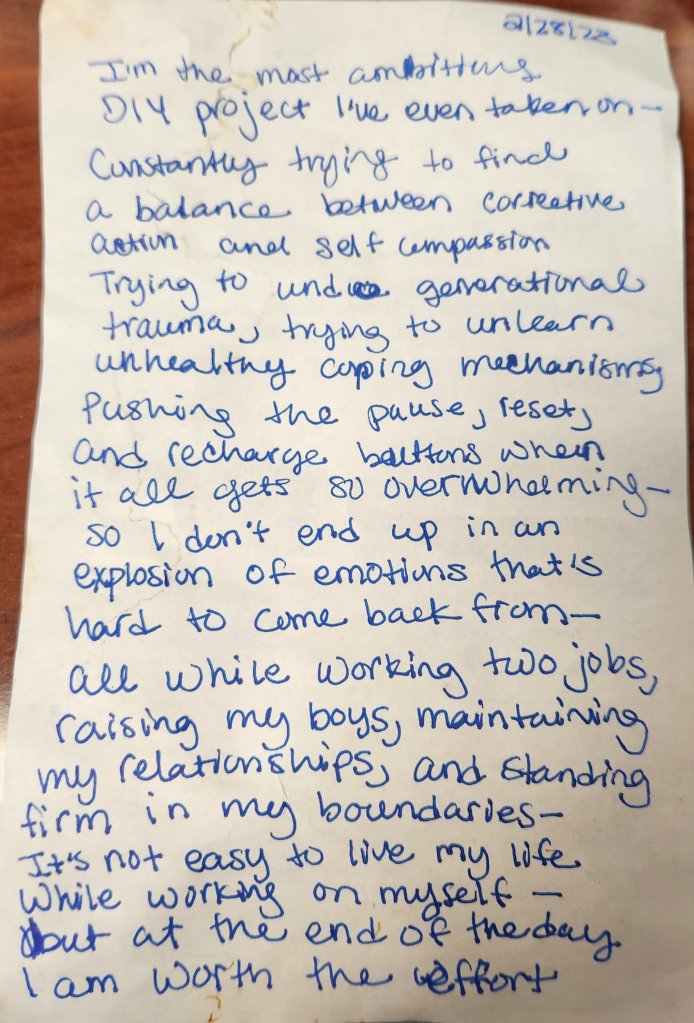
Between family and work obligations, you may feel pulled in a multitude of directions. You can start feeling stressed out, angry, and like you’re losing control of your life. And when you suffer from bipolar disorder, you’re either too busy to take time for yourself or too depressed to do anything for yourself. So try to stick to one project at a time, and learn to say no or to delegate to avoid feeling overwhelmed. And when you’re feeling down, make sure to go outside to get some fresh air, meet with some friends, and indulge in things that make you happy.  

Start a Side Business

If pursuing a favorite hobby helps you manage your bipolar symptoms, think about ways you can turn this enjoyable pastime into a small business of your own. There are online resources to help you get started, such as LLC formation services which will walk you through all the legal ins and outs of structuring and launching a business. By using such a service, you won’t need to hire a lawyer to get all the tax benefits offered by a limited liability company.  

If you’ve been recently diagnosed, ask your therapist for strategies that will make living with bipolar disorder and coping with symptoms easier. Learn to recognize your triggers, take time for self-care, and develop a toolbox of skills and activities to help stabilize your mood. 

Have you or a loved one been diagnosed with a bipolar or borderline personality disorder? You’re not alone! Please follow my healing journey at lifeonthebpd.com.   

Image via Pixabay

Julia Mitchell is a career and finance writer. Check out her work at http://www.outspiration.net

How to Cope with Financial Hardships

Photo Credit: Sincerely Media via Unsplash

How to Cope With Financial Hardships

By Julia Mitchell


Life doesn’t always go the way we planned, and oftentimes our finances take a hit during these detours. Perhaps you lost your job because of downsizing, or you’ve struggled to find good-paying work. Or you could be recovering from financial debt from an extended illness or repair. No matter the cause, financial stress can feel inescapable. Fortunately, there are some steps you can take to change your situation. Life on the BPD explains how.

Consider Changing Careers

Unemployment is a serious problem, and many people have been out of work. The number of people reporting unemployment has varied a lot recently, but numbers are slowly decreasing. This is a great trend, but lost money during extended unemployment can impact you for a long time. And if your new job doesn’t pay enough, it will be difficult to financially recover from that deficit. 

If you’re noticing changes to your work prospects with no end in sight, or if the type of job you were doing won’t pay enough to get you back out of debt, you may want to consider changing careers. Think about other areas of interest where your education and work history may be relevant. Consider going back to school. There are many options from traditional classes to night classes or even online degree programs. 

Lastly, you may decide that you want to start a business of your very own. Beyond coming up with an idea for your company, there are a few things you need to do to get things started. First, you need to come up with a business idea. This can be something you’re passionate about or have experience in. Once you have your idea, you’ll need to start planning everything out. This includes coming up with a name, logo, and brand. You’ll also need to create a website and social media accounts. Once all of that is done, you’ll need to start marketing your business and getting customers. The best way to do this is by networking and using social media. Finally, you’ll need to continue growing your business by always being on the lookout for new opportunities. If you do all of these things, you’ll be well on your way to starting a new company.

Take Time for Yourself

Between work, family obligations, and worrying, you may find you have little time for yourself. This can lead to a vicious cycle of a lack of sleep and anxiety. When you’re stressed and not getting enough sleep, you’re more likely to eat poorly, which only worsens the problems.  Instead, do something just for yourself. You could read a book, take a relaxing bath, or exercise. Engage in anything that takes your mind off your financial problems. 

Reevaluate Goals

It may feel overwhelming, but now is a great time to reestablish your financial goals, since you are dedicated to getting yourself back on track financially. Take a look at your current goals and decide if they’re still feasible. It may be time to alter them to adjust to the economic climate and extend the overall timeline. Set positive goals with smaller sub-goals so that you can see your progress. But also push yourself towards a challenging final goal. You may be surprised by what a little positive anxiety can help you accomplish.

If you’re not sure how to set new goals, consider working with a financial planner or doing some online research. They gather helpful information about financial planning, including professionals who can come alongside you to create and support these goals and present them online. A little guidance can go a long way!

Create a New Budget

Budgeting helps you know exactly how much money is coming in and going out. You know how much you can save monthly and how much you have to enjoy.

However, when situations change your budget needs to change, too. You may currently have more costs related to your household, potentially less income, and possibly fewer entertainment options. At this point, it’s time to create a new budget with all this in mind.

Once you have an accurate, up-to-date budget, you should look for areas where you can spend less and save more. With an uncertain economic climate, it’s more important than ever to have a nest egg.

Consider Refinancing Your Home

The pandemic brought about historically low refinance rates. Look at your options, because you could save yourself money each month and in the long run. For example, you can look into cash-out refinancing, which replaces your current mortgage with a larger one. You then receive the difference between the old and new as cash, which gives you some money to use however you choose. 

If you’re interested in refinancing, you’ll need to gather some information first. When you cash out or take a home equity loan, the lender needs to know your home’s current appraisal and the amount you still owe on your house. The appraisal will determine how much your home is worth now so that your lender can calculate how much equity you have in your home. The equity is the amount of money your home is appraised for minus the amount you still owe on your mortgage.

Don’t Let Hardships Take a Toll on Your Finances

Life has a way of surprising us – sometimes for good and other times not-so-good. Even if you’ve experienced some financial hardships lately, don’t let them completely derail your finances. Take a deep breath and reevaluate. Then, take steps today to start putting away money, even if that means you have to make a career change or reevaluate your budget.

Julia Mitchell is a career and finance writer. Check out here work at http://www.outspiration.net