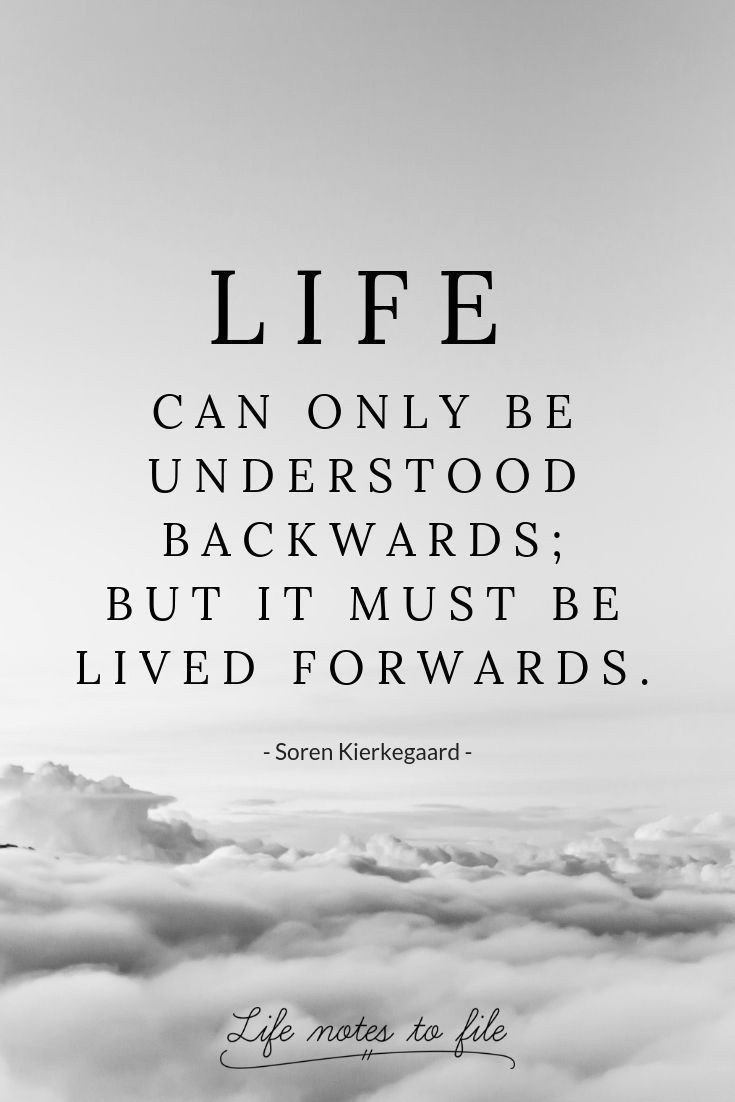
The world has ended for me more times than I care to remember, more time than I care to count something about my soul being too sensitive for this world something about desperation and frustration embedded in me since I was a little kid every slight, every roll of the eyes feels like an earthquake inside everything is intensified twice
How Therapy Builds Healthier Relationships for Patients with BPD by Sara from Mind Align Psychiatry
Navigating interpersonal relationships while living with Borderline Personality Disorder (BPD) can often feel like trying to steer a ship through a turbulent storm. The intensity of emotions, fear of abandonment, and the desire for deep connection often collide, creating a cycle of highs and lows that can be exhausting for both the individual and their loved ones. However, it is essential to understand that these relational challenges are not a permanent state of being. With the right therapeutic tools and commitment, individuals with BPD can foster stable, fulfilling, and profoundly healthy connections.
Therapy acts as the bridge between overwhelming emotional volatility and the capacity for steady, authentic intimacy. By addressing the root causes of reactive behaviors and teaching practical skills for emotional regulation, professional guidance changes the landscape of how someone with BPD experiences both themselves and the people they care about most.
Understanding the Core Dynamics in BPD Relationships
To appreciate how therapy facilitates growth, one must first look at why relationships often become complicated in the context of BPD. Many individuals with the disorder experience “emotional dysregulation.” This means that their emotional “thermostat” is highly sensitive; small stressors can trigger reactions that feel massive and all-consuming.
In a relationship, this often manifests as a fear of abandonment. When a partner is busy or fails to respond to a text immediately, the person with BPD might perceive this as a sign that the relationship is ending. This fear triggers a defense mechanism, which can lead to clinginess, accusations, or, conversely, pulling away to avoid being hurt first.
Therapy helps identify these patterns as maladaptive responses to internal pain rather than reflections of the partnerβs true intentions. By understanding that these intense feelings are symptoms of a condition rather than objective truths about the relationship, individuals can begin to create space between their emotions and their actions. This shift from reaction to reflection is the foundational step toward stability.
The Role of Dialectical Behavior Therapy (DBT)
When discussing the treatment of BPD, Dialectical Behavior Therapy (DBT) stands out as the gold standard. Developed specifically to help individuals navigate intense emotional experiences, DBT teaches that two seemingly opposite things can be true at the same time. In the context of relationships, this means an individual can accept their current emotional pain while simultaneously working to change how they respond to it.
DBT focuses on four key skill modules that directly translate to better relational outcomes:
Mindfulness: This practice allows a person to observe their emotions without being swept away by them. In a relationship, this means being able to pause when a wave of anger or anxiety hits, rather than acting on it immediately.
Distress Tolerance: Life and relationships will inevitably involve disappointment. Distress tolerance skills provide tools to get through painful moments without making the situation worse through impulsive actions.
Emotional Regulation: This involves understanding the function of emotions and learning how to reduce vulnerability to “emotional storms.” It empowers individuals to experience feelings without letting those feelings dictate their behavior.
Interpersonal Effectiveness: This is perhaps the most critical component for relationships. It teaches how to express needs clearly, set boundaries, and resolve conflicts while maintaining self-respect and the respect of the other person.
By integrating these skills, individuals move from a place of chronic crisis to a place of conscious choice. They learn that they can ask for reassurance without demanding it and that they can set a boundary without ending a connection.
Building Bridges: Communication and Trust
Communication breakdown is the primary enemy of any healthy relationship, but for those with BPD, the stakes often feel much higher. Therapy provides a safe environment to practice “radical genuineness.” This involves being honest about oneβs needs while also practicing empathy for the needs of the partner.
Many people with BPD struggle with “splitting,” a cognitive distortion where they view people or situations in extremesβeither all good or all bad. Therapy helps dissolve this binary thinking. It encourages the integration of a nuanced perspective where a partner can be both imperfect and deeply loving. When a person with BPD learns to hold these two truths, they are less likely to oscillate between extreme idealization and devaluation.
Furthermore, therapy often involves family or couples work, where a virtual psychiatrist might facilitate sessions to ensure that both partners understand the neurobiological aspects of BPD. This education reduces the stigma and blame often associated with the disorder. When a partner understands that the behavior is part of a treatable condition, they are better equipped to provide stable support rather than reacting to the turmoil.
Creating a Sustainable Future
Building healthier relationships is not about “fixing” the person with BPD; it is about providing them with a toolkit to navigate the human experience more effectively. It is a process of reclaiming agency. As a person becomes more adept at regulating their own emotions, they become a more consistent partner. They begin to define their own worth independent of external validation, which naturally lowers the pressure on the relationship.
Self-care becomes a relational act. When a person with BPD engages in consistent therapy, maintains their self-regulation practices, and communicates openly, they are actively choosing to invest in the longevity of their relationships. The goal is not a life without emotions or conflict, but a life where one has the capacity to navigate those experiences with resilience and grace.
Conclusion: Taking the First Step Toward Connection
The journey toward healthier relationships while living with BPD is undeniably challenging, but it is deeply rewarding. It requires patience, persistence, and a willingness to look inward even when it is uncomfortable. By leveraging therapeutic frameworks like DBT, individuals can move beyond the cycles of intensity and into a space of genuine, enduring connection.
You have the power to redefine your relational story. Whether you are currently in therapy or looking to begin, remember that progress is not always linear. Every time you choose to pause, practice a grounding technique, or communicate a need clearly, you are building the foundation for a more stable and loving future.
took a picture of a dying cicada without its consent didnβt even know what it was until I googled its picture I just thought something so vibrant and colorful dying was beautiful just thought this is the closest Iβll come to nature in this unforgiving july heat and then I discovered cicadas signify transformation, rebirth, and resilience so it made sense to me why I noticed it something so small, almost insignificant everyone else would walk by it but I, about to have another transformation I never asked for was attracted to it, noticed it, observed it closely, perhaps, it was my own spirit reflecting my current ego death as Iβm about to level up to the next version of m
donβt judge others for the life you havenβt lived- not everyone has had the same privileges or self awareness as you some of us hardly had time to process one trauma before facing the next one and unhealthy coping mechanisms were placed itβs how a lot of us learned to live our lives with our emotional gloves and armor always ready
sometimes I think my sins are the most interesting things about me Perhaps, thatβs why I worship them and keep making poems out of them Especially when I start to lose faith in myself especially when I start lose faith in myself and the universe and fill myself up with self hate and self loathing to crash out fantastically with pen and paper and write masterpieces
Kam Highway would see many changes in our family three teenagers in one house, our parents were saints at first we lived in abject poverty trying to find change in the secondhand couch for ramen or popcorn chicken or anything to put food in our tummies this apartment saw the awkwardness of my adolescence saw my brother almost fall into the wrong crowd saw my sister fall in and out of love until she finally landed her first husband next door and we had a pizzeria next door and also the interesting neighbors like the marine next door who beat his unfaithful wife or Tipper the stripper who was in a toxic relationship with the landlordβs son their song was Kiss and Say Goodbye by the Manhattans and the fun thanksgivings with all of the neighbors
my childhood was not easy and at times full of chaos good to inspire my creativity, one where I never needed much imagination since real life served up a lot of telenovela energy from toxic family dynamics to immigrant trauma to the ghetto melrose place in hawaii my childhood felt like a constant barrage of episodes where the adults couldnβt keep it together
beautiful women possess a certain kind of power itβs the power to bring men to their knees with just one kiss or make them fall in love with the prowess of their sexuality theyβre lionesses and make men their prey
one last hit before we have to call it quits before we have to move on to new love stories before we have to grow up and forget our Alice and Peter personas and try to find something mature, something healthy, something long lasting
This is a poem I wrote in July. I was angry when I wrote it. Lol.
me on the 4th of July with my kiddo
celebrating a country that rips babies apart from their parents and takes away rights from the marginalized and makes anyone whoβs not white and christian feel unwelcome feels like the cruelest irony itβs celebrating genocide, racism, prejudice, xenophobia, and white supremacy itβs celebrating everything atrocious and wrong about this country it almost feels like a personal violation of my beliefs to celebrate the hypocrisy of this country founded on genocide and slavery who claims liberty and justice for all but βallβ is really white, christian and male so Iβm passing on this yearβs 4th of July celebrations because except for a small portion of Americans no one can claim true freedom or independence in this American Land
Whatβs the best way to deal with negative thoughts?
On the days when I feel like a complete failure cause I got like 3 or 4 rejection emails for my poems and my bank account is almost in the negative. I do a couple of things.
Go for a walk or the gym to exercise the frustration out.
Selfie while on the treadmill
Or I write a list of new goals and manifestations.
I also remind myself that bad days are inevitable and temporary. Try to remind myself how much progress I’ve had the past 10 years and I’ve been through worst times and made it through the other side. Also, at the very least, I will have gotten inspiration for a new poem so, technically I still win. I also remind myself that rejection and failure are part of the process and have also been my greatest lessons.
My humble beginnings make men want to play savior with me as I tell them about my childhood drenched in poverty and chaos they try to act like white knights trying to rescue from the cinderella trauma I suffered at the hands of those who were supposed to protect me but what they understand is that itβs not how they will earn my heart because all I want is to be heard, to bee seen as an equal and not a poor victim of my tragic life circumstances
When Iβm 54, I want some things to stay the same and others to change I want to love freely unafraid and unashamed and without apologies without the anxiety I have right now that one day heβll leave I want to have the same creative energy that motivates me, and continue to share mine and my familyβs stories that will continually be seen and make me succeed I want to not worry so much if itβs a matter of when this epidemic of violence and madness reaches someone in my family or live with the fear one of my loved ones will be detained I want to have hope for the future of my children and descendents that when I leave this earth things will be better for them because I did the work so they didnβt suffer and can enjoy life a bit more also , I want to be filled with financial stability where Iβm not doing financial gymnastics to pay my bills on time and an no longer a slave to my debt but mostly when Iβm 54, I want to have evolved as a healer who continues to share her light in this world as a poet, writer, and storyteller
Iβm a complete disaster when it comes to love, well, romantic love but Iβm great at other kinds of love Loving my children, adoring my friends, worshiping my parents and of course filling myself with self love but still I wonder if somewhere in this big wide world exist an almost ideal lover whoβll bring out my best and love me at my worse who wonβt put me on a pedestal and doesnβt scare easily and leave when he sees all of me
Is this a new kind of avoidance? Blocking and escaping any new love possibility- or maybe I finally understand How much I value my solitude Maybe Iβm finally enjoying an inner peace and calm that comes with being alone Maybe Iβve finally learned I really am enough on my own