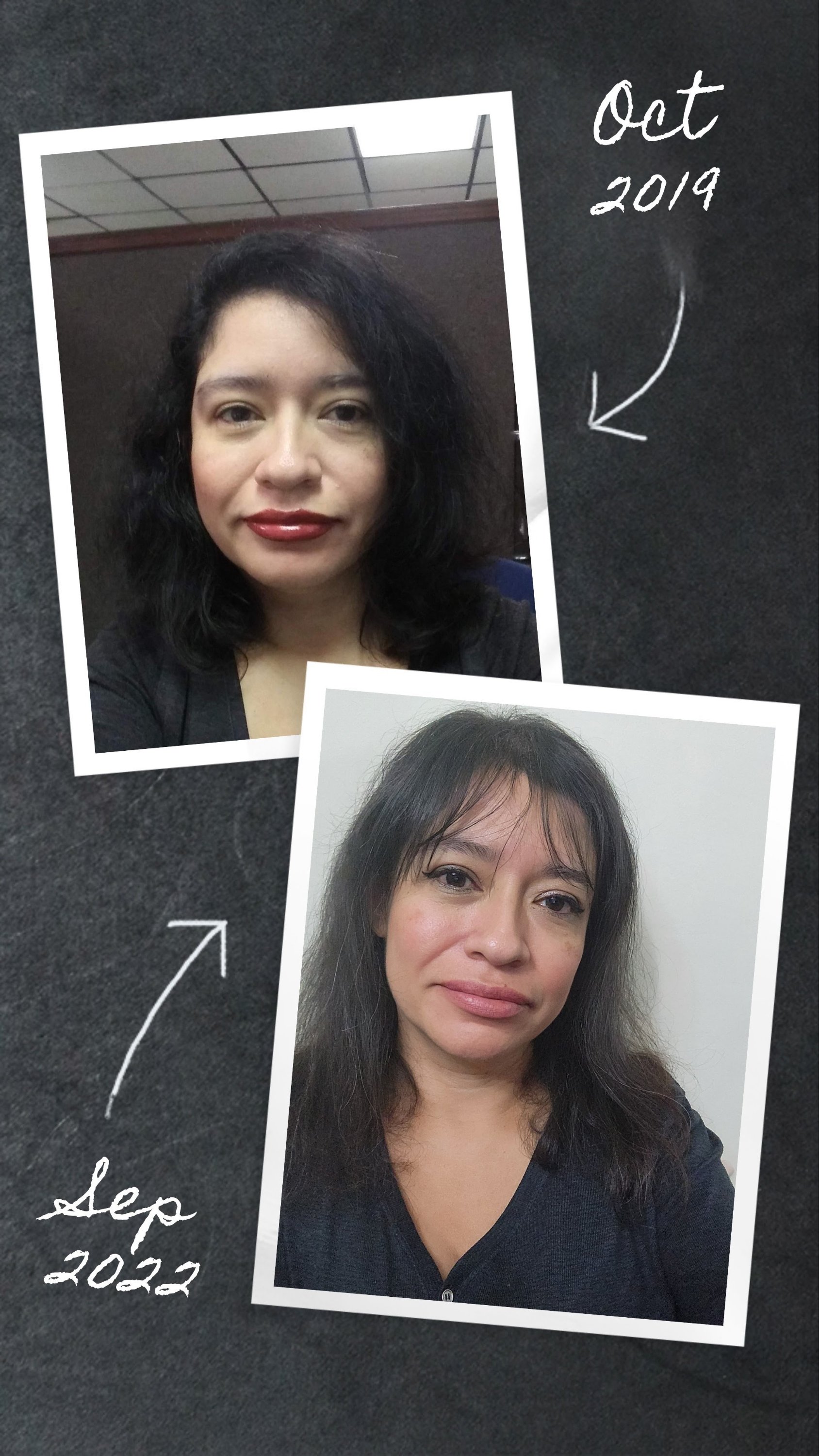
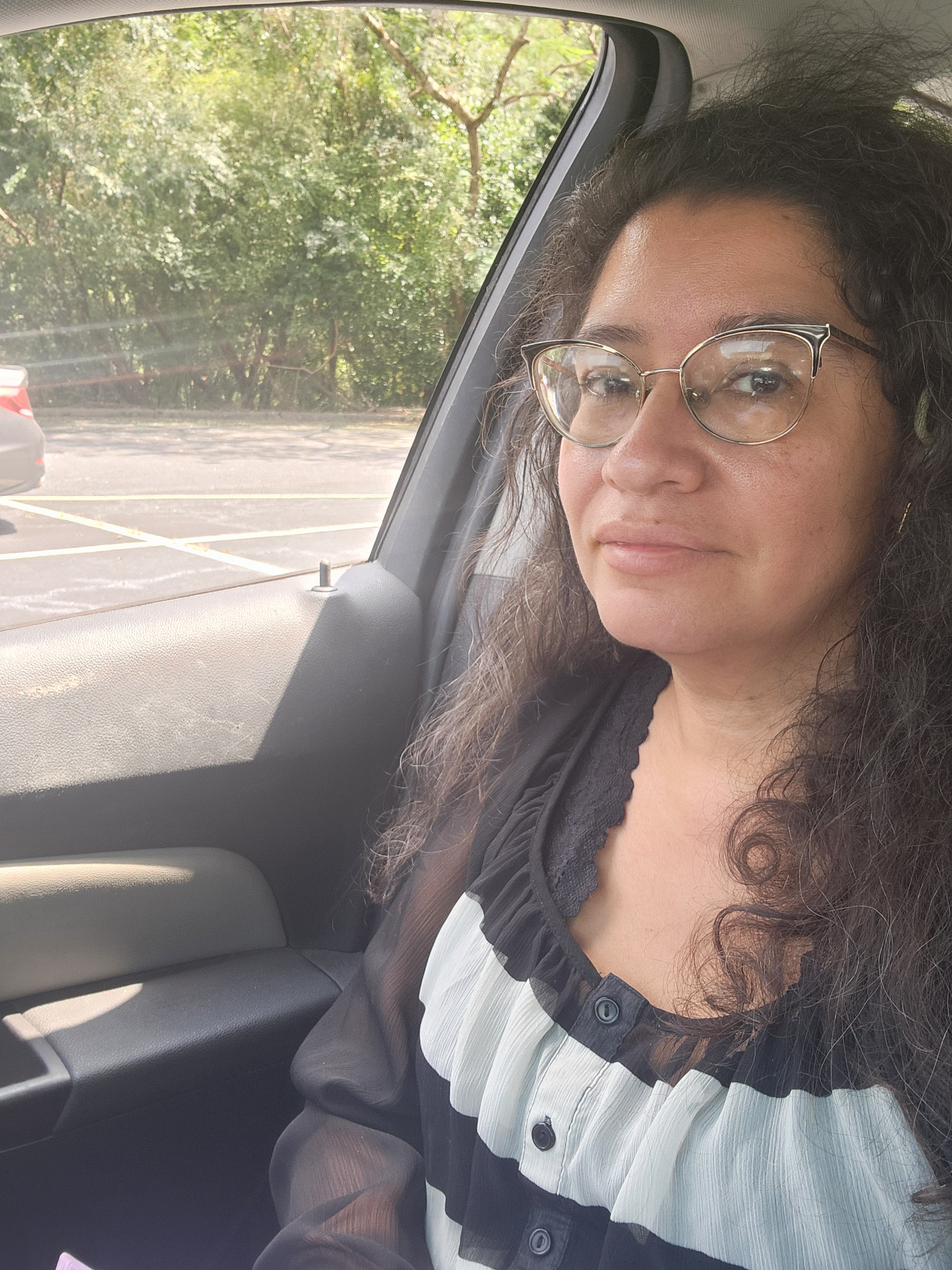
Doing a 31 day prompt challenge. The prompt was “Where Flowers Bloom π

Doing a 31 day prompt challenge. The prompt was “Where Flowers Bloom π

I wrote this poem in August of 2022.

My love data tells me I shouldnβt try again because every time
I crash and burn and cause trauma and drama
because every time it ends, I get hateful and want revenge
and While I do appreciate the poetry that comes
after every broken relationship
I donβt think I can withstand the heartbreak and devastation
the next time it ends
The Science Behind Mood Swings in Borderline Personality Disorder by Sara from Mind Align Psychiatry

Understanding Borderline Personality Disorder (BPD) requires a transition away from outdated misconceptions and toward a sophisticated appreciation of the biological and psychological mechanisms that orchestrate the human experience. At the epicenter of this disorder lies affective instability, a phenomenon commonly categorized as mood swings. It is vital to recognize that these fluctuations are not mere expressions of a temperamental disposition or manifestations of willful behavior. Rather, they are the profound result of intricate, cascading interactions within the brain, specifically involving the neural circuits responsible for emotional regulation and impulse control. By conducting a deep analysis of the neurobiology and the psychological frameworks that govern these rapid shifts, we can attain a much clearer, more compassionate perspective on why they manifest and the specific ways in which they can be mitigated through evidence-based practice.
To fully grasp the intense nature of mood swings in the context of BPD, one must first examine the specific neurological structures that govern emotional processing. The limbic system, frequently described as the emotional command center of the human brain, occupies a primary role in this dynamic. In individuals living with BPD, this system often demonstrates a state of profound and persistent hyper-reactivity.
At the center of this reactivity is the amygdala, a small, almond-shaped structure tasked with functioning as the brain’s primary alarm system. Its evolutionarily ancient role is to detect environmental threats and initiate the physiological fight-or-flight response. Scientific research consistently indicates that the amygdala in those with BPD is exceptionally sensitive. This signifies that even neutral stimuli or mildly stressful interpersonal exchanges can be perceived by the brain as significant existential threats. This misinterpretation triggers an immediate, overwhelming, and highly intense emotional reaction before the higher-order brain centers have the opportunity to analyze the situation objectively.
Simultaneously, the prefrontal cortexβsituated at the very front of the brainβis responsible for executive functions, including complex reasoning, long-term planning, and the regulation of volatile emotions. Under optimal conditions, the prefrontal cortex exerts top-down control over the amygdala, allowing an individual to perform a reality check before responding. However, in BPD, the neurological communication pathway between the prefrontal cortex and the amygdala is frequently compromised. The regulating brake of the prefrontal cortex often lacks the necessary strength to successfully dampen the rapid, surging accelerator of the amygdala. Consequently, emotions spike with extreme velocity and remain elevated for significantly longer durations than they would in neurotypical individuals. This systemic disconnect is a foundational biological pillar that drives the frequency and severity of BPD-related mood swings.
While the biological infrastructure provides the underlying capacity for emotional volatility, ingrained cognitive patterns and specific environmental triggers serve as the immediate catalysts for these shifts. A central psychological concept in the study of BPD is the mechanism of splitting, often referred to as black-and-white thinking. This cognitive bias forces the individual to process the world, other people, and their own sense of self into rigid, mutually exclusive categories of either “all good” or “all bad.”
When an individual experiences a perceived sign of rejection, failure, or criticism, this black-and-white lens intensifies the resulting emotional impact exponentially. If someone living with BPD interprets a delayed text message or a slightly blunt tone of voice as a definitive sign of abandonment, the amygdala initiates a fight-or-flight response, and the thought process pivots instantly toward the “all bad” extreme. Because there is no nuanced middle ground within this cognitive framework, the transition from feeling secure and attached to feeling entirely devastated occurs in a matter of seconds.
These shifts are further exacerbated by an extreme sensitivity to subtle social cues. Research suggests that the BPD brain is uniquely attuned to the minutiae of human interaction. Minor changes in facial expressions, shifts in body language, or variations in vocal tone are often magnified, leading to a state of heightened hypervigilance. The brain essentially works overtime to scan the environment for evidence of impending abandonment, which unfortunately creates a self-fulfilling cycle. In this state, the desperate attempt to avoid pain ends up triggering the very emotional instability that threatens the stability of important relationships. This level of sensitivity is not a deficit of character; it is a neurological state of constant high alert that makes the process of emotional regulation a monumental, exhausting endeavor.
It is impossible to conduct a thorough analysis of the science of BPD without acknowledging the crucial intersection of biological predisposition and environmental history. The prevailing scientific consensus is established through the biosocial model, which posits that BPD emerges from a complex interaction between a child’s innate biological vulnerability and a long-term invalidating environment.
Biological vulnerability refers to a natural temperament characterized by heightened emotional sensitivity, extreme emotional intensity, and a notably slow return to an emotional baseline after being triggered. When a child possessing this specific temperament is raised in an environment that consistently invalidates, dismisses, or punishes their internal emotional experiences, they often fail to acquire the foundational skills necessary to label, manage, or self-soothe their emotions effectively.
Invalidation manifests when a person’s authentic internal experiences are disregarded or trivialized as being “dramatic” or “unfounded.” Over time, the child internalizes the message that their internal signals are incorrect or unacceptable. As they progress into adulthood, this historical lack of self-validation makes it profoundly difficult to regulate mood swings independently. The brain effectively remains stuck in a developmental state where emotions are experienced as external, uncontrollable, and dangerous forces rather than manageable, internal occurrences. This history of chronic invalidation reinforces the brainβs inability to calm itself, as the neural pathways required for effective self-soothing were never given the chance to develop or strengthen during critical developmental years.
The science behind BPD is not a permanent sentence of unavoidable suffering. The concept of neuroplasticityβthe brainβs inherent ability to reorganize its structure by forming new, healthier neural connectionsβprovides a scientifically supported path toward increased stability. Modern therapeutic interventions are explicitly designed to physically alter how the brain processes, interprets, and reacts to emotional stimuli.
Dialectical Behavior Therapy (DBT) serves as the gold standard for clinical treatment in BPD. It focuses on teaching concrete, actionable skills across four primary modules: mindfulness, distress tolerance, emotion regulation, and interpersonal effectiveness. Through the consistent and repeated application of these skills, patients help strengthen the prefrontal cortexβs functional ability to exert influence over the amygdala. In a sense, the consistent application of DBT acts as a form of neuro-physical therapy, training the brain to shift from impulsive bottom-up reactivity to measured, top-down regulation.
Beyond traditional clinical settings, some individuals find supplemental support through digital resources or the guidance of a virtual psychiatrist to facilitate consistent access to cognitive behavioral exercises. While personalized, face-to-face professional guidance remains the most potent tool, the core of long-term recovery resides in the diligent, consistent internal work of recognizing, labeling, and mitigating emotional surges as they arise. By maintaining consistency in therapy and prioritizing lifestyle habits like structured sleep hygiene and active stress management, the nervous system can eventually transition from a state of exhausting hypervigilance to one of sustainable calm.
The emotional fluctuations associated with Borderline Personality Disorder are deeply embedded within the complex architecture of the brain and the nuanced interplay of an individual’s life history. By viewing these behavioral challenges through a rigorous scientific lens, we have the opportunity to replace the weight of stigma with the light of empathy, and the confusion of uncertainty with the clarity of clinical understanding. The hyper-reactivity of the limbic system, the rigid cognitive distortions of black-and-white thinking, and the cumulative impact of chronic environmental invalidation all converge to produce the intense emotional shifts that define this experience.
It is critical to understand that recovery is not only possible but is a demonstrated reality for countless individuals who commit to the process. This journey begins with the fundamental acknowledgement that emotional regulation is not an innate talent, but rather a functional skill that can be developed and refined over time. As scientific research continues to advance our knowledge of the neurobiology of personality, our capacity to provide targeted, effective, and compassionate support will only continue to grow.
How Therapy Builds Healthier Relationships for Patients with BPD by Sara from Mind Align Psychiatry

Navigating interpersonal relationships while living with Borderline Personality Disorder (BPD) can often feel like trying to steer a ship through a turbulent storm. The intensity of emotions, fear of abandonment, and the desire for deep connection often collide, creating a cycle of highs and lows that can be exhausting for both the individual and their loved ones. However, it is essential to understand that these relational challenges are not a permanent state of being. With the right therapeutic tools and commitment, individuals with BPD can foster stable, fulfilling, and profoundly healthy connections.
Therapy acts as the bridge between overwhelming emotional volatility and the capacity for steady, authentic intimacy. By addressing the root causes of reactive behaviors and teaching practical skills for emotional regulation, professional guidance changes the landscape of how someone with BPD experiences both themselves and the people they care about most.
To appreciate how therapy facilitates growth, one must first look at why relationships often become complicated in the context of BPD. Many individuals with the disorder experience “emotional dysregulation.” This means that their emotional “thermostat” is highly sensitive; small stressors can trigger reactions that feel massive and all-consuming.
In a relationship, this often manifests as a fear of abandonment. When a partner is busy or fails to respond to a text immediately, the person with BPD might perceive this as a sign that the relationship is ending. This fear triggers a defense mechanism, which can lead to clinginess, accusations, or, conversely, pulling away to avoid being hurt first.
Therapy helps identify these patterns as maladaptive responses to internal pain rather than reflections of the partnerβs true intentions. By understanding that these intense feelings are symptoms of a condition rather than objective truths about the relationship, individuals can begin to create space between their emotions and their actions. This shift from reaction to reflection is the foundational step toward stability.
When discussing the treatment of BPD, Dialectical Behavior Therapy (DBT) stands out as the gold standard. Developed specifically to help individuals navigate intense emotional experiences, DBT teaches that two seemingly opposite things can be true at the same time. In the context of relationships, this means an individual can accept their current emotional pain while simultaneously working to change how they respond to it.
DBT focuses on four key skill modules that directly translate to better relational outcomes:
By integrating these skills, individuals move from a place of chronic crisis to a place of conscious choice. They learn that they can ask for reassurance without demanding it and that they can set a boundary without ending a connection.
Communication breakdown is the primary enemy of any healthy relationship, but for those with BPD, the stakes often feel much higher. Therapy provides a safe environment to practice “radical genuineness.” This involves being honest about oneβs needs while also practicing empathy for the needs of the partner.
Many people with BPD struggle with “splitting,” a cognitive distortion where they view people or situations in extremesβeither all good or all bad. Therapy helps dissolve this binary thinking. It encourages the integration of a nuanced perspective where a partner can be both imperfect and deeply loving. When a person with BPD learns to hold these two truths, they are less likely to oscillate between extreme idealization and devaluation.
Furthermore, therapy often involves family or couples work, where a virtual psychiatrist might facilitate sessions to ensure that both partners understand the neurobiological aspects of BPD. This education reduces the stigma and blame often associated with the disorder. When a partner understands that the behavior is part of a treatable condition, they are better equipped to provide stable support rather than reacting to the turmoil.
Building healthier relationships is not about “fixing” the person with BPD; it is about providing them with a toolkit to navigate the human experience more effectively. It is a process of reclaiming agency. As a person becomes more adept at regulating their own emotions, they become a more consistent partner. They begin to define their own worth independent of external validation, which naturally lowers the pressure on the relationship.
Self-care becomes a relational act. When a person with BPD engages in consistent therapy, maintains their self-regulation practices, and communicates openly, they are actively choosing to invest in the longevity of their relationships. The goal is not a life without emotions or conflict, but a life where one has the capacity to navigate those experiences with resilience and grace.
The journey toward healthier relationships while living with BPD is undeniably challenging, but it is deeply rewarding. It requires patience, persistence, and a willingness to look inward even when it is uncomfortable. By leveraging therapeutic frameworks like DBT, individuals can move beyond the cycles of intensity and into a space of genuine, enduring connection.
You have the power to redefine your relational story. Whether you are currently in therapy or looking to begin, remember that progress is not always linear. Every time you choose to pause, practice a grounding technique, or communicate a need clearly, you are building the foundation for a more stable and loving future.

Whatβs a song lyric that has stuck with you forever?
“Cut people like tags on my clothing”
π₯Ήππππ₯³
I wrote this poem in July of 2022.

Kam Highway would see many changes in our family
three teenagers in one house, our parents were saints
at first we lived in abject poverty
trying to find change in the secondhand couch
for ramen or popcorn chicken or anything
to put food in our tummies
this apartment saw the awkwardness of my adolescence
saw my brother almost fall into the wrong crowd
saw my sister fall in and out of love
until she finally landed her first husband next door
and we had a pizzeria next door and also the interesting neighbors
like the marine next door who beat his unfaithful wife
or Tipper the stripper who was in a toxic relationship with the landlordβs son
their song was Kiss and Say Goodbye by the Manhattans
and the fun thanksgivings with all of the neighbors
I wrote this poem in July of 2022.

I was supposed to have been born in Cuzco
but drama kept me away until I was two
cusco saw me walk for the first time
cusco saw me blossom with the attention and affection
of my family and everyone else
I learned to be happy with the new freedom my legs gave me
but one day that changed when I was four
when the baby sitter hurt me -hurt me for being spoiled
hurt me for having la tez clara
and she gave me a phobia of water
and my resilience created an imaginary friend Calinchia
to help me face and process what happened to me
and eventually blocked my trauma
This is a poem I wrote in July. I was angry when I wrote it. Lol.

celebrating a country that rips babies apart from their parents
and takes away rights from the marginalized
and makes anyone whoβs not white and christian feel unwelcome
feels like the cruelest irony
itβs celebrating genocide, racism, prejudice, xenophobia, and white supremacy
itβs celebrating everything atrocious and wrong about this country
it almost feels like a personal violation of my beliefs
to celebrate the hypocrisy of this country
founded on genocide and slavery
who claims liberty and justice for all
but βallβ is really white, christian and male
so Iβm passing on this yearβs 4th of July celebrations
because except for a small portion of Americans
no one can claim true freedom
or independence in this American Land
I wrote this poem in July of 2025.

one day the weight of this burden I carry wonβt feel so heavy
and it wonβt be so tough to exist in a country that wants to exterminate
people like me or my family,
one day this nightmare will be over and the hypervigilance Iβm living
will cease to exist
one day will come unexpectedly and Iβll find my way back to safety
and security
I wrote this poem in June of 2025.

When Iβm 54, I want some things to stay the same and others to change
I want to love freely unafraid and unashamed and without apologies
without the anxiety I have right now that one day heβll leave
I want to have the same creative energy that motivates me,
and continue to share mine and my familyβs stories
that will continually be seen and make me succeed
I want to not worry so much if itβs a matter of when this epidemic
of violence and madness reaches someone in my family
or live with the fear one of my loved ones will be detained
I want to have hope for the future of my children and descendents
that when I leave this earth things will be better for them
because I did the work so they didnβt suffer and can enjoy life a bit more
also , I want to be filled with financial stability where Iβm not doing financial gymnastics
to pay my bills on time and an no longer a slave to my debt
but mostly when Iβm 54, I want to have evolved as a healer
who continues to share her light in this world as a poet, writer, and storyteller
I wrote this poem in June of 2022.

Iβm a complete disaster when it comes to love, well, romantic love
but Iβm great at other kinds of love
Loving my children, adoring my friends, worshiping my parents
and of course filling myself with self love
but still I wonder if somewhere in this big wide world
exist an almost ideal lover
whoβll bring out my best and love me at my worse
who wonβt put me on a pedestal
and doesnβt scare easily and leave
when he sees all of me
I wrote this poem in June of 2022.

Is this a new kind of avoidance?
Blocking and escaping any new love possibility-
or maybe I finally understand
How much I value my solitude
Maybe Iβm finally enjoying an inner peace and calm
that comes with being alone
Maybe Iβve finally learned I really am enough on my own
I wrote this poem in June of 2025.

dating a soldier in not for the weak in these modern time
especially now with a civil war and WW3 on the horizon
our new love story could be cut short if heβs deployed
Things can get complicated and messy
if end up dehumanizing or ripping apart families like mine
because its his job
it makes me wonder if we were foolish in the throwing caution
to the wind and getting into a relationship
it makes me wonder if we have any chance of working out
I wrote this poem in June of 2025.

compassion and hope appear in a phone call from my prima
right before I give in to my hate and anger
right before I let my rage control me and make it into a weapon
of destruction
she reminds me that this is not who I am and to choose forgiveness
and empathy for those who hurts us for they donβt know what they do
and I wonder if it was an intervention from God, the universe,
reminding me that revenge and the wrath of my anger is not the answer
and instead I should look to love and wisdom passed down from my ancestors
for the confusion and frustration turned into rage that lies within me