I wrote this poem in August of 2025.

from L.A burning to alligator alcatraz to sydney sweeney
to hash browns
this has been the strangest summer
Doing a 31 day prompt challenge. The prompt was “Where Flowers Bloom π

I wrote this poem in August of 2025.

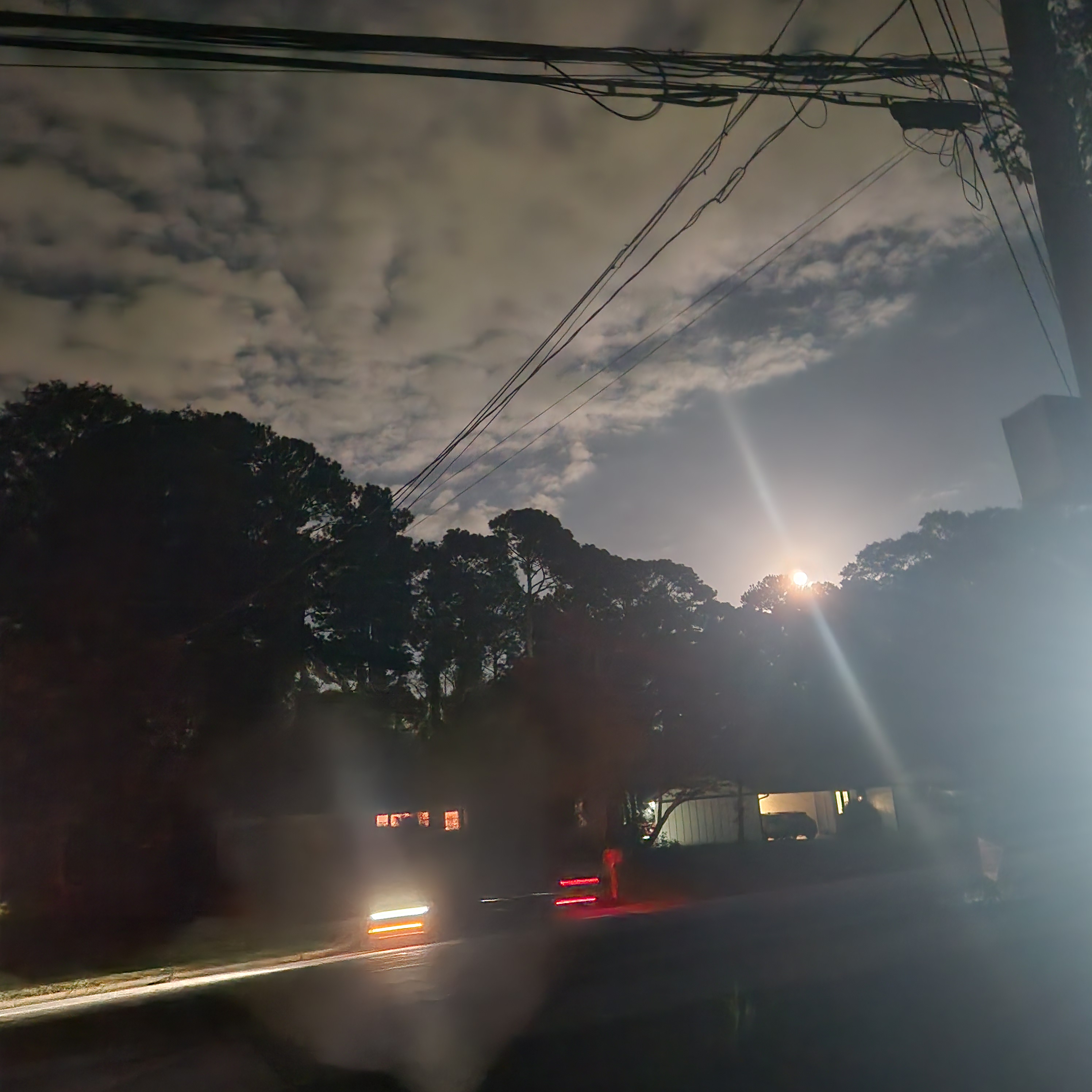
The moon follows me on my drive home after open mic
I try to take this as a good omen
because lately I hold on to the darkness within
let it fill me up until I ease into insanity
gotta grasp at anything that looks like light
otherwise my descent into madness never stops
I wrote this poem in August of 2022.

My love data tells me I shouldnβt try again because every time
I crash and burn and cause trauma and drama
because every time it ends, I get hateful and want revenge
and While I do appreciate the poetry that comes
after every broken relationship
I donβt think I can withstand the heartbreak and devastation
the next time it ends
I wrote this poem in August of 2020.

I met you on a cold January night at the IHOP
across your apartment complex
As I was eating up my loneliness
with scrambled eggs and coffee
I hoped you couldnβt see remnants
of tears that had fallen before you came
and you sat across from me
and as we awkwardly made conversation
I wondered if you would be the one
to breathe new life into my almost dead existence
I wondered if your kiss would help me
reignite a fire of desire, would remind me
Iβm more than a wife and mother
But most of all I wondered if maybe, just maybe
someone would finally love me
I wrote this poem in July of 2025.

The world has ended for me more times than I care to remember,
more time than I care to count
something about my soul being too sensitive for this world
something about desperation and frustration embedded in me
since I was a little kid
every slight, every roll of the eyes feels like an earthquake inside
everything is intensified twice
How Therapy Builds Healthier Relationships for Patients with BPD by Sara from Mind Align Psychiatry

Navigating interpersonal relationships while living with Borderline Personality Disorder (BPD) can often feel like trying to steer a ship through a turbulent storm. The intensity of emotions, fear of abandonment, and the desire for deep connection often collide, creating a cycle of highs and lows that can be exhausting for both the individual and their loved ones. However, it is essential to understand that these relational challenges are not a permanent state of being. With the right therapeutic tools and commitment, individuals with BPD can foster stable, fulfilling, and profoundly healthy connections.
Therapy acts as the bridge between overwhelming emotional volatility and the capacity for steady, authentic intimacy. By addressing the root causes of reactive behaviors and teaching practical skills for emotional regulation, professional guidance changes the landscape of how someone with BPD experiences both themselves and the people they care about most.
To appreciate how therapy facilitates growth, one must first look at why relationships often become complicated in the context of BPD. Many individuals with the disorder experience “emotional dysregulation.” This means that their emotional “thermostat” is highly sensitive; small stressors can trigger reactions that feel massive and all-consuming.
In a relationship, this often manifests as a fear of abandonment. When a partner is busy or fails to respond to a text immediately, the person with BPD might perceive this as a sign that the relationship is ending. This fear triggers a defense mechanism, which can lead to clinginess, accusations, or, conversely, pulling away to avoid being hurt first.
Therapy helps identify these patterns as maladaptive responses to internal pain rather than reflections of the partnerβs true intentions. By understanding that these intense feelings are symptoms of a condition rather than objective truths about the relationship, individuals can begin to create space between their emotions and their actions. This shift from reaction to reflection is the foundational step toward stability.
When discussing the treatment of BPD, Dialectical Behavior Therapy (DBT) stands out as the gold standard. Developed specifically to help individuals navigate intense emotional experiences, DBT teaches that two seemingly opposite things can be true at the same time. In the context of relationships, this means an individual can accept their current emotional pain while simultaneously working to change how they respond to it.
DBT focuses on four key skill modules that directly translate to better relational outcomes:
By integrating these skills, individuals move from a place of chronic crisis to a place of conscious choice. They learn that they can ask for reassurance without demanding it and that they can set a boundary without ending a connection.
Communication breakdown is the primary enemy of any healthy relationship, but for those with BPD, the stakes often feel much higher. Therapy provides a safe environment to practice “radical genuineness.” This involves being honest about oneβs needs while also practicing empathy for the needs of the partner.
Many people with BPD struggle with “splitting,” a cognitive distortion where they view people or situations in extremesβeither all good or all bad. Therapy helps dissolve this binary thinking. It encourages the integration of a nuanced perspective where a partner can be both imperfect and deeply loving. When a person with BPD learns to hold these two truths, they are less likely to oscillate between extreme idealization and devaluation.
Furthermore, therapy often involves family or couples work, where a virtual psychiatrist might facilitate sessions to ensure that both partners understand the neurobiological aspects of BPD. This education reduces the stigma and blame often associated with the disorder. When a partner understands that the behavior is part of a treatable condition, they are better equipped to provide stable support rather than reacting to the turmoil.
Building healthier relationships is not about “fixing” the person with BPD; it is about providing them with a toolkit to navigate the human experience more effectively. It is a process of reclaiming agency. As a person becomes more adept at regulating their own emotions, they become a more consistent partner. They begin to define their own worth independent of external validation, which naturally lowers the pressure on the relationship.
Self-care becomes a relational act. When a person with BPD engages in consistent therapy, maintains their self-regulation practices, and communicates openly, they are actively choosing to invest in the longevity of their relationships. The goal is not a life without emotions or conflict, but a life where one has the capacity to navigate those experiences with resilience and grace.
The journey toward healthier relationships while living with BPD is undeniably challenging, but it is deeply rewarding. It requires patience, persistence, and a willingness to look inward even when it is uncomfortable. By leveraging therapeutic frameworks like DBT, individuals can move beyond the cycles of intensity and into a space of genuine, enduring connection.
You have the power to redefine your relational story. Whether you are currently in therapy or looking to begin, remember that progress is not always linear. Every time you choose to pause, practice a grounding technique, or communicate a need clearly, you are building the foundation for a more stable and loving future.

Whatβs a song lyric that has stuck with you forever?
“Cut people like tags on my clothing”
π₯Ήππππ₯³
I wrote this poem in July of 2025.

took a picture of a dying cicada without its consent
didnβt even know what it was until I googled its picture
I just thought something so vibrant and colorful dying was beautiful
just thought this is the closest Iβll come to nature in this unforgiving july heat
and then I discovered cicadas signify transformation, rebirth, and resilience
so it made sense to me why I noticed it
something so small, almost insignificant everyone else would walk by it
but I, about to have another transformation I never asked for
was attracted to it, noticed it, observed it closely,
perhaps, it was my own spirit reflecting my current ego death
as Iβm about to level up to the next version of m
I wrote this poem in July of 2025.

People watching days are over, this Song era is now my reality
no more longing or yearning over what could have been
or what I once upon a time wanted it to be
instead I focus on the genuine and loving connection in front of me
the one whoβs not afraid of the creative beast who resides in me
and makes me feel heard and seen
even if sometimes that seems cringe or weird
Especially after I admitted I had watched him while he slept
this time he allows me to him without flinching
when I tell him heβs the new muse of my poetry
and heβs brave enough to share his feelings without shame
and reminds me of all the things he likes about me
the one who feels like my sanctuary to lay my love and poetry in
I wrote this poem in July of 2025.

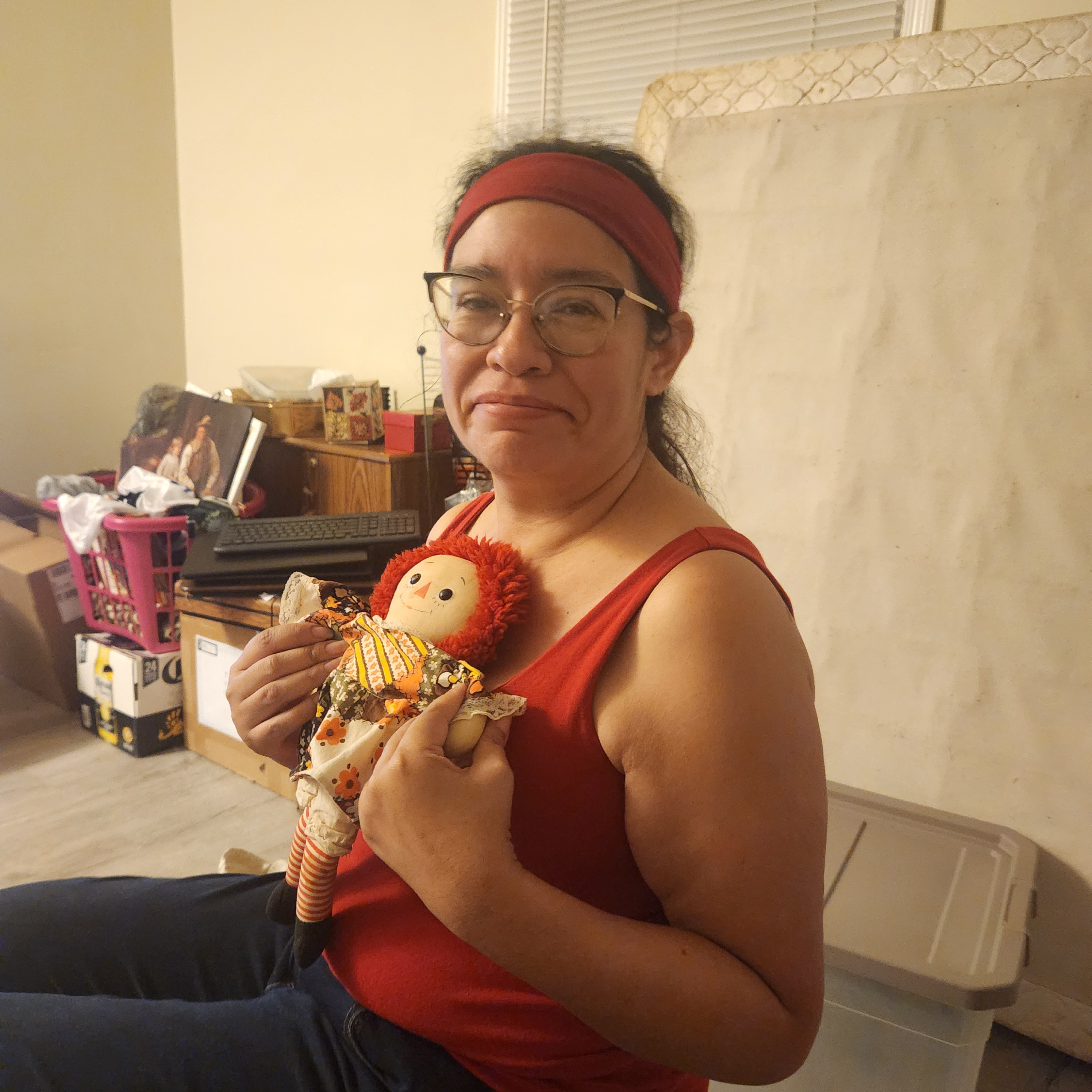
the rocking chair tells a story about the white working class for the past 60 years
from grandfather to father to sons
from the greatest generation to the boomer generation to the boomer generation
and skipped all the way to the zoomer and alpha generation
(side note: the boomer knocked up a pretty little millennial thing in his late 40βs)
the rocking chair has seen the first man on the moon
to the alpha losing his shit when tik tok went dark for several hours
the rocking chair tells a story of the white working class from
breaking the generation curse of illiteracy to educational achievements
from factory days to caseworker days to bolton hall days
the rocking chair holds the dreams, the hopes, the struggles of 4 generations
of the white working class
I wrote this poem in July of 2022.

Iho Place was my teenage dream that ended up in a nightmare
thatβs where my Papi bought our first computer
and how I wound up in an AOL chatroom for singles
it would seal a fate I had not intended
flirting with and meeting strange men would lead me
to some dire consequences
I got into my first toxic relationship who ghosted me
after he went to rehab for his drug problem
and I dissociated after the pain of abandonment
I was desperate for love and validation and I met a man
the man who I would make a baby with
Iho Place saw the first 9 months of my son
and the start of my relationship with depression
looking back-maybe it was also the start of my BPD
I remember walking with headphones and losing time
it was hard to be at home with my parentβs silence and disap