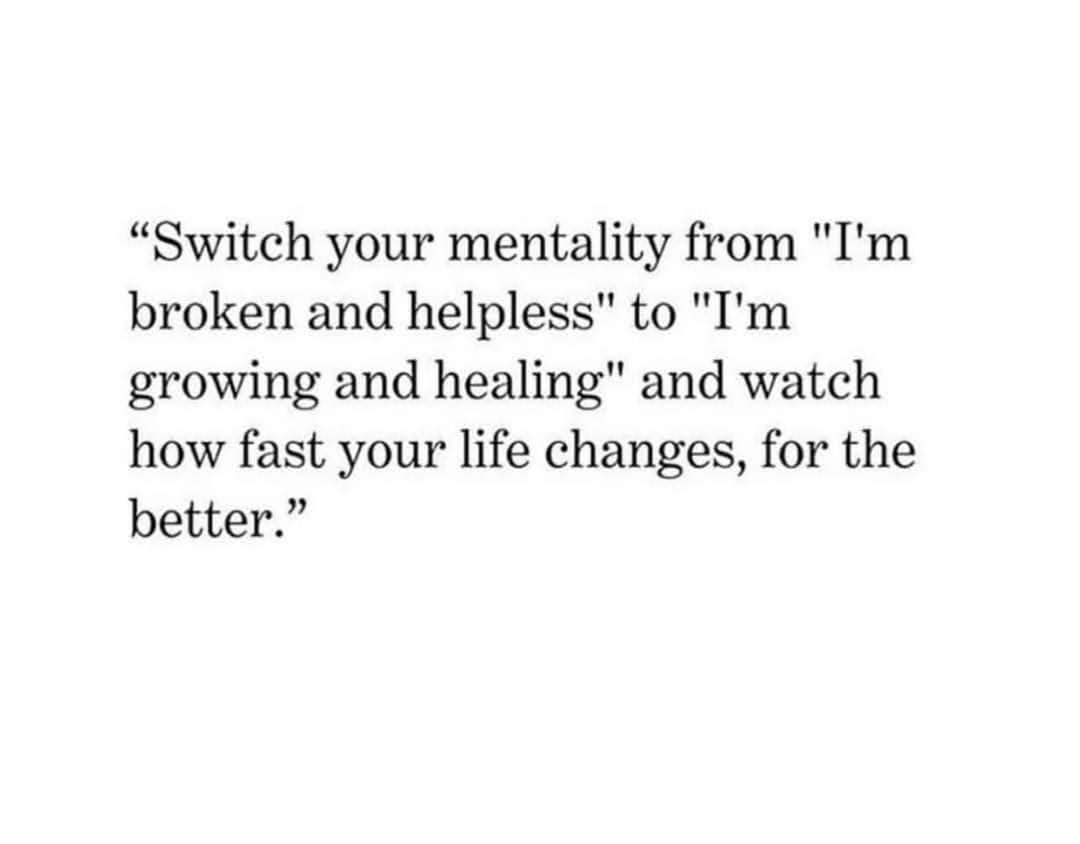
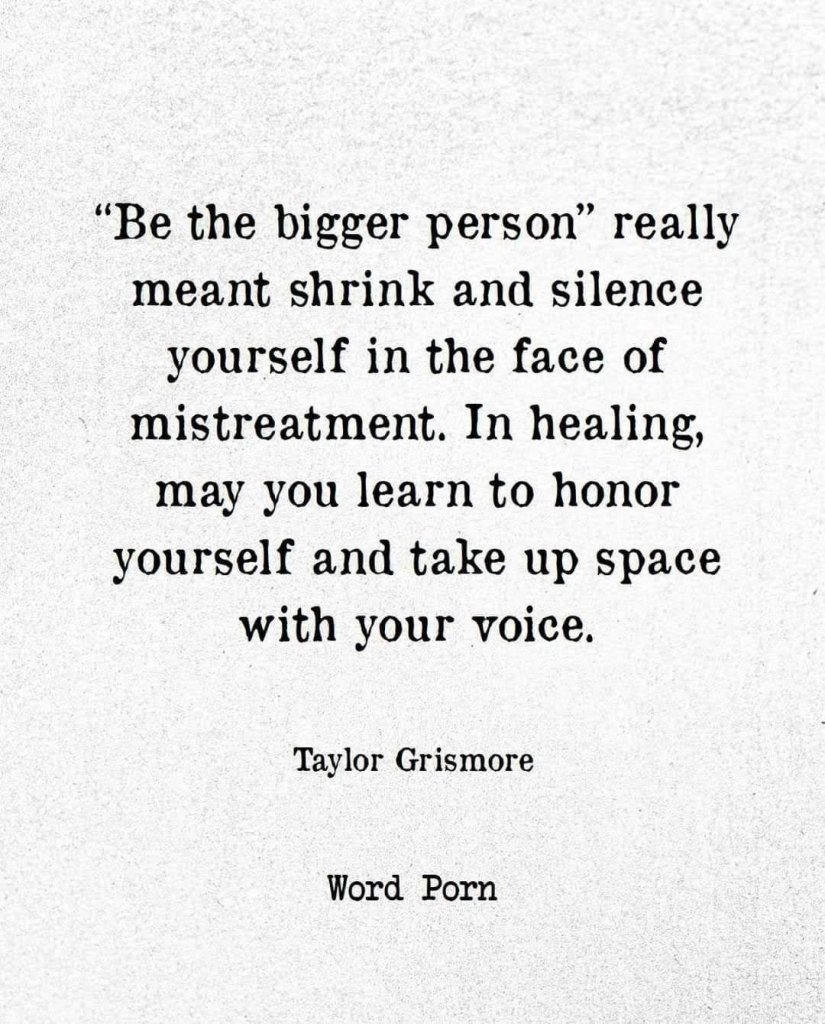
I wrote this poem in 2019 when I got into a fight with a friend because he was cruel to one of my friends. After this fight, we didn’t talk for 2 years but we ended up reconnecting in the summer of this year.
random pic of me pissed in 2019
“Control myself”, he said as I called out his misogyny his fragile ego couldn’t handle hard truths thrown at him he thinks that he has a license to offend because of the organ between his legs and the pale color of his skin- He thinks that I’m wrong for not sitting still and silent He thinks that I have no right to stand up for myself “Control myself”, he said to and “fuck off” I replied to him you won’t ever be able to control a woman like me
I wrote this in 2019 when I was reflecting about the way men have often objectified in a way thatthey almost always seem to just want the fun and sexy part of me but seem to often have problems seeing the rest of me. I’ve almost always felt like I’ve been good enough to be their lover but never good enough to be introduced to their mother. Do I still feel this way? I honestly don’t know. I like the attention and validation I get from men because of my looks but sometimes it feels so hollow. **This poem went through heavy edits in June of 2026.
Often men want this girl…the ones that’s always down for a “good” timeBUT run away from this one….the other girl …the vulnerable one that has a realness hard to accept
Tell me I’m beautiful, tell me I’m sexy Objectify me, sleep with me breadcrumb me, ghost me, then try to come back to me And when I deny you insult me, threaten me,try your best to hurt me- Your words mean nothing to me You’re not the first but will be the last who tries to destroy me You’re not the first but will be the last who treats me like your on call whore You’re not the first but will be the last who tells me I’m not good enough and after all that, try to come back again and Tell me you miss, tell me you want me Tell me you’re sorry, tell me you LOVE ME Be persistent in your quest in trying to bed me with empty promises about how this time it will be different and how we have history so I can laugh and laugh and turn you down and watch you sulk honey, I know you watch me on social media so you should know better than to ever come back to me
I breathe grief in, I exhale grief out my pain needs a way out because despair and sorrow fill up my lungs and anger sits at the bottom of my stomach and I’m tired of living like this a life full of emotional intensity And supposedly there’s a cure for it with therapy and radical acceptance but how do I accept that every man who’s ever professed his love to me always leaves Will my romantic misfortune one day end? or am I destined to repeat the same story of abandonment over and over again?
Let’s go to war with ourselves and speak our truth and heal unprocessed trauma within and face our fear and insecurities we’ll walk out with confidence and feel empowered We’ll leave with versions of ourselves ready to reach our full potential and ready to love
The Science Behind Mood Swings in Borderline Personality Disorder by Sara from Mind Align Psychiatry
Understanding Borderline Personality Disorder (BPD) requires a transition away from outdated misconceptions and toward a sophisticated appreciation of the biological and psychological mechanisms that orchestrate the human experience. At the epicenter of this disorder lies affective instability, a phenomenon commonly categorized as mood swings. It is vital to recognize that these fluctuations are not mere expressions of a temperamental disposition or manifestations of willful behavior. Rather, they are the profound result of intricate, cascading interactions within the brain, specifically involving the neural circuits responsible for emotional regulation and impulse control. By conducting a deep analysis of the neurobiology and the psychological frameworks that govern these rapid shifts, we can attain a much clearer, more compassionate perspective on why they manifest and the specific ways in which they can be mitigated through evidence-based practice.
The Neurobiological Architecture of Emotional Dysregulation
To fully grasp the intense nature of mood swings in the context of BPD, one must first examine the specific neurological structures that govern emotional processing. The limbic system, frequently described as the emotional command center of the human brain, occupies a primary role in this dynamic. In individuals living with BPD, this system often demonstrates a state of profound and persistent hyper-reactivity.
At the center of this reactivity is the amygdala, a small, almond-shaped structure tasked with functioning as the brain’s primary alarm system. Its evolutionarily ancient role is to detect environmental threats and initiate the physiological fight-or-flight response. Scientific research consistently indicates that the amygdala in those with BPD is exceptionally sensitive. This signifies that even neutral stimuli or mildly stressful interpersonal exchanges can be perceived by the brain as significant existential threats. This misinterpretation triggers an immediate, overwhelming, and highly intense emotional reaction before the higher-order brain centers have the opportunity to analyze the situation objectively.
Simultaneously, the prefrontal cortex—situated at the very front of the brain—is responsible for executive functions, including complex reasoning, long-term planning, and the regulation of volatile emotions. Under optimal conditions, the prefrontal cortex exerts top-down control over the amygdala, allowing an individual to perform a reality check before responding. However, in BPD, the neurological communication pathway between the prefrontal cortex and the amygdala is frequently compromised. The regulating brake of the prefrontal cortex often lacks the necessary strength to successfully dampen the rapid, surging accelerator of the amygdala. Consequently, emotions spike with extreme velocity and remain elevated for significantly longer durations than they would in neurotypical individuals. This systemic disconnect is a foundational biological pillar that drives the frequency and severity of BPD-related mood swings.
Psychological Catalysts and Rigid Cognitive Patterns
While the biological infrastructure provides the underlying capacity for emotional volatility, ingrained cognitive patterns and specific environmental triggers serve as the immediate catalysts for these shifts. A central psychological concept in the study of BPD is the mechanism of splitting, often referred to as black-and-white thinking. This cognitive bias forces the individual to process the world, other people, and their own sense of self into rigid, mutually exclusive categories of either “all good” or “all bad.”
When an individual experiences a perceived sign of rejection, failure, or criticism, this black-and-white lens intensifies the resulting emotional impact exponentially. If someone living with BPD interprets a delayed text message or a slightly blunt tone of voice as a definitive sign of abandonment, the amygdala initiates a fight-or-flight response, and the thought process pivots instantly toward the “all bad” extreme. Because there is no nuanced middle ground within this cognitive framework, the transition from feeling secure and attached to feeling entirely devastated occurs in a matter of seconds.
These shifts are further exacerbated by an extreme sensitivity to subtle social cues. Research suggests that the BPD brain is uniquely attuned to the minutiae of human interaction. Minor changes in facial expressions, shifts in body language, or variations in vocal tone are often magnified, leading to a state of heightened hypervigilance. The brain essentially works overtime to scan the environment for evidence of impending abandonment, which unfortunately creates a self-fulfilling cycle. In this state, the desperate attempt to avoid pain ends up triggering the very emotional instability that threatens the stability of important relationships. This level of sensitivity is not a deficit of character; it is a neurological state of constant high alert that makes the process of emotional regulation a monumental, exhausting endeavor.
The Intersection of Developmental Stress and Invalidation
It is impossible to conduct a thorough analysis of the science of BPD without acknowledging the crucial intersection of biological predisposition and environmental history. The prevailing scientific consensus is established through the biosocial model, which posits that BPD emerges from a complex interaction between a child’s innate biological vulnerability and a long-term invalidating environment.
Biological vulnerability refers to a natural temperament characterized by heightened emotional sensitivity, extreme emotional intensity, and a notably slow return to an emotional baseline after being triggered. When a child possessing this specific temperament is raised in an environment that consistently invalidates, dismisses, or punishes their internal emotional experiences, they often fail to acquire the foundational skills necessary to label, manage, or self-soothe their emotions effectively.
Invalidation manifests when a person’s authentic internal experiences are disregarded or trivialized as being “dramatic” or “unfounded.” Over time, the child internalizes the message that their internal signals are incorrect or unacceptable. As they progress into adulthood, this historical lack of self-validation makes it profoundly difficult to regulate mood swings independently. The brain effectively remains stuck in a developmental state where emotions are experienced as external, uncontrollable, and dangerous forces rather than manageable, internal occurrences. This history of chronic invalidation reinforces the brain’s inability to calm itself, as the neural pathways required for effective self-soothing were never given the chance to develop or strengthen during critical developmental years.
Pathways to Neuroplasticity and Stability
The science behind BPD is not a permanent sentence of unavoidable suffering. The concept of neuroplasticity—the brain’s inherent ability to reorganize its structure by forming new, healthier neural connections—provides a scientifically supported path toward increased stability. Modern therapeutic interventions are explicitly designed to physically alter how the brain processes, interprets, and reacts to emotional stimuli.
Dialectical Behavior Therapy (DBT) serves as the gold standard for clinical treatment in BPD. It focuses on teaching concrete, actionable skills across four primary modules: mindfulness, distress tolerance, emotion regulation, and interpersonal effectiveness. Through the consistent and repeated application of these skills, patients help strengthen the prefrontal cortex’s functional ability to exert influence over the amygdala. In a sense, the consistent application of DBT acts as a form of neuro-physical therapy, training the brain to shift from impulsive bottom-up reactivity to measured, top-down regulation.
Beyond traditional clinical settings, some individuals find supplemental support through digital resources or the guidance of a virtual psychiatrist to facilitate consistent access to cognitive behavioral exercises. While personalized, face-to-face professional guidance remains the most potent tool, the core of long-term recovery resides in the diligent, consistent internal work of recognizing, labeling, and mitigating emotional surges as they arise. By maintaining consistency in therapy and prioritizing lifestyle habits like structured sleep hygiene and active stress management, the nervous system can eventually transition from a state of exhausting hypervigilance to one of sustainable calm.
Conclusion and Call to Action
The emotional fluctuations associated with Borderline Personality Disorder are deeply embedded within the complex architecture of the brain and the nuanced interplay of an individual’s life history. By viewing these behavioral challenges through a rigorous scientific lens, we have the opportunity to replace the weight of stigma with the light of empathy, and the confusion of uncertainty with the clarity of clinical understanding. The hyper-reactivity of the limbic system, the rigid cognitive distortions of black-and-white thinking, and the cumulative impact of chronic environmental invalidation all converge to produce the intense emotional shifts that define this experience.
It is critical to understand that recovery is not only possible but is a demonstrated reality for countless individuals who commit to the process. This journey begins with the fundamental acknowledgement that emotional regulation is not an innate talent, but rather a functional skill that can be developed and refined over time. As scientific research continues to advance our knowledge of the neurobiology of personality, our capacity to provide targeted, effective, and compassionate support will only continue to grow.
How Therapy Builds Healthier Relationships for Patients with BPD by Sara from Mind Align Psychiatry
Navigating interpersonal relationships while living with Borderline Personality Disorder (BPD) can often feel like trying to steer a ship through a turbulent storm. The intensity of emotions, fear of abandonment, and the desire for deep connection often collide, creating a cycle of highs and lows that can be exhausting for both the individual and their loved ones. However, it is essential to understand that these relational challenges are not a permanent state of being. With the right therapeutic tools and commitment, individuals with BPD can foster stable, fulfilling, and profoundly healthy connections.
Therapy acts as the bridge between overwhelming emotional volatility and the capacity for steady, authentic intimacy. By addressing the root causes of reactive behaviors and teaching practical skills for emotional regulation, professional guidance changes the landscape of how someone with BPD experiences both themselves and the people they care about most.
Understanding the Core Dynamics in BPD Relationships
To appreciate how therapy facilitates growth, one must first look at why relationships often become complicated in the context of BPD. Many individuals with the disorder experience “emotional dysregulation.” This means that their emotional “thermostat” is highly sensitive; small stressors can trigger reactions that feel massive and all-consuming.
In a relationship, this often manifests as a fear of abandonment. When a partner is busy or fails to respond to a text immediately, the person with BPD might perceive this as a sign that the relationship is ending. This fear triggers a defense mechanism, which can lead to clinginess, accusations, or, conversely, pulling away to avoid being hurt first.
Therapy helps identify these patterns as maladaptive responses to internal pain rather than reflections of the partner’s true intentions. By understanding that these intense feelings are symptoms of a condition rather than objective truths about the relationship, individuals can begin to create space between their emotions and their actions. This shift from reaction to reflection is the foundational step toward stability.
The Role of Dialectical Behavior Therapy (DBT)
When discussing the treatment of BPD, Dialectical Behavior Therapy (DBT) stands out as the gold standard. Developed specifically to help individuals navigate intense emotional experiences, DBT teaches that two seemingly opposite things can be true at the same time. In the context of relationships, this means an individual can accept their current emotional pain while simultaneously working to change how they respond to it.
DBT focuses on four key skill modules that directly translate to better relational outcomes:
Mindfulness: This practice allows a person to observe their emotions without being swept away by them. In a relationship, this means being able to pause when a wave of anger or anxiety hits, rather than acting on it immediately.
Distress Tolerance: Life and relationships will inevitably involve disappointment. Distress tolerance skills provide tools to get through painful moments without making the situation worse through impulsive actions.
Emotional Regulation: This involves understanding the function of emotions and learning how to reduce vulnerability to “emotional storms.” It empowers individuals to experience feelings without letting those feelings dictate their behavior.
Interpersonal Effectiveness: This is perhaps the most critical component for relationships. It teaches how to express needs clearly, set boundaries, and resolve conflicts while maintaining self-respect and the respect of the other person.
By integrating these skills, individuals move from a place of chronic crisis to a place of conscious choice. They learn that they can ask for reassurance without demanding it and that they can set a boundary without ending a connection.
Building Bridges: Communication and Trust
Communication breakdown is the primary enemy of any healthy relationship, but for those with BPD, the stakes often feel much higher. Therapy provides a safe environment to practice “radical genuineness.” This involves being honest about one’s needs while also practicing empathy for the needs of the partner.
Many people with BPD struggle with “splitting,” a cognitive distortion where they view people or situations in extremes—either all good or all bad. Therapy helps dissolve this binary thinking. It encourages the integration of a nuanced perspective where a partner can be both imperfect and deeply loving. When a person with BPD learns to hold these two truths, they are less likely to oscillate between extreme idealization and devaluation.
Furthermore, therapy often involves family or couples work, where a virtual psychiatrist might facilitate sessions to ensure that both partners understand the neurobiological aspects of BPD. This education reduces the stigma and blame often associated with the disorder. When a partner understands that the behavior is part of a treatable condition, they are better equipped to provide stable support rather than reacting to the turmoil.
Creating a Sustainable Future
Building healthier relationships is not about “fixing” the person with BPD; it is about providing them with a toolkit to navigate the human experience more effectively. It is a process of reclaiming agency. As a person becomes more adept at regulating their own emotions, they become a more consistent partner. They begin to define their own worth independent of external validation, which naturally lowers the pressure on the relationship.
Self-care becomes a relational act. When a person with BPD engages in consistent therapy, maintains their self-regulation practices, and communicates openly, they are actively choosing to invest in the longevity of their relationships. The goal is not a life without emotions or conflict, but a life where one has the capacity to navigate those experiences with resilience and grace.
Conclusion: Taking the First Step Toward Connection
The journey toward healthier relationships while living with BPD is undeniably challenging, but it is deeply rewarding. It requires patience, persistence, and a willingness to look inward even when it is uncomfortable. By leveraging therapeutic frameworks like DBT, individuals can move beyond the cycles of intensity and into a space of genuine, enduring connection.
You have the power to redefine your relational story. Whether you are currently in therapy or looking to begin, remember that progress is not always linear. Every time you choose to pause, practice a grounding technique, or communicate a need clearly, you are building the foundation for a more stable and loving future.
I’ve walked through the warzone of my love life long enough to know when a bomb is about to explode (when I fall of some guy’s dream girl altar) It’s a minefield full of suppressed feelings consequences of accommodating to a man’s ego And I’ll tread ever so carefully I don’t want to be alone, I just want to be loved, I’ll bend and bend until you call me Gumby Except I’m not and then I’ll snap and another bomb will go off “You’re crazy,” you’re dangerous” “ I don’t recognize you” all for expressing my feelings and wanting respect and dignity
And so she self medicated with sleeping pills, alcohol and Almodovar films she wanted to drown out the feelings of worthlessness within her she was exhausted from repeating the same lust story she needed just for today to numb out her feelings, to escape the fire in her brain that burns with self-pity and self hate
When I open my eyes,I whine and grunt Another day where I whine,whine, whine Working to live? Or living to work? I can’t remember which is better Living is really just guesswork Maybe today I won’t feel so much anger Perhaps I should find hope in this new day Instead of living in doom and gloom Maybe the darkness will stay away Or I’ll cry at work in the bathroom again
I’ve written dozens and dozens of poems about our story of lust and love but today I found your purpose with you I found inspiration and motivation to make myself better hoping you could really love me hoping you wouldn’t see me as just a sexual commodity hoping to make myself worthy of you and while now I see it was a delusion of mine to do all of these things for your love it still helped me to become better than before it still brought me the resilience, strength and courage to start living the life I always wanted to live and plan the future I had always dreamed of with you and after you- I became the empowered woman I am today and for that I thank you
I’m disappointed once again -being here with you You represent everything I thought I wanted But- You don’t compare to him You make my body sing with pleasure but don’t sweep up the mess that I am You are there to help me escape but never to rescue me SO I choose him Who chooses to be there for me When I chase death in a bathtub or a bottle Because while sex and lust feels good when it’s happening It doesn’t compare to the love and support he’s provided in keeping me alive So I say goodbye to a life Full of lust filled fantasies and accept the one and only who truly cares for me
I wrote this in January of 2022 when I was depressed.
honestly
I welcome death to take me away tonight- death must be better than the anger that has made an eternal home in me death must feel better than this emptiness that lies in my heart death has to be better than this sorrow that floods my pillow with tears continuously death would be better than my emotions that threaten to consume me
I wrote this in January of 2022. I was mad about everything. Lol.
Them haters are just projecting their insecurities
Judgment feels like harsh criticism dressed up in “good intentions” “you have a college degree, you should be doing better” or “I’ll respect you when you drive”-thank you for the support sister Ignorance taste like harsh criticism dressed up “in good intentions” “I’m saying this out of love, you should be like other latinos and work and don’t go to college” -thanks for the encouragement coworker Judgment feels like impossible standards I can never measure up to it’s an ocean of emotional abuse dressed up as “good intentions” by calling out my insecurities and pointing out how I’m not enough
breathing out the past, inhaling the future I fall into emotional stability and it’s uncomfortable I didn’t understand or know how to live a life without chaos because for most of my life I danced in the fire of chaos-wildly swinging everywhere Discordant and without direction And now I found rhythm along with direction